Aircraft
Wasatch Aero Unveils Concept for Four-Seat Twin Turboprop Aircraft
Utah-based Wasatch Aero has revealed a development roadmap featuring a four-seat twin-turboprop aircraft aimed at multiengine training and personal flying under expanded FAA regulations.
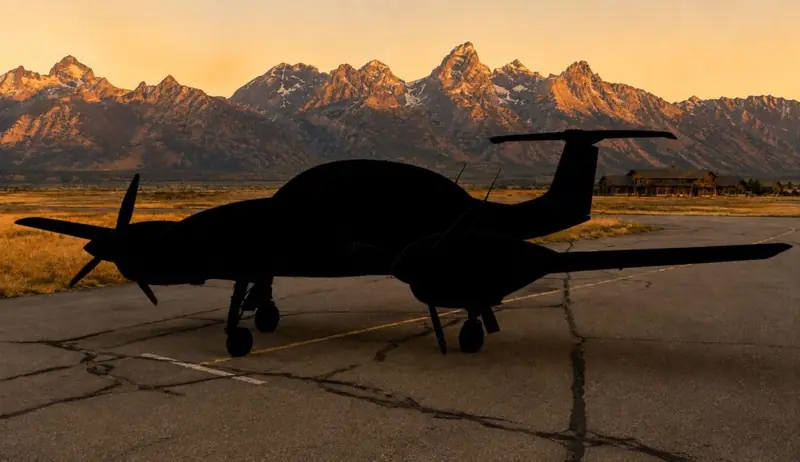
Wasatch Aero announced plans for the new twin-turboprop model, which follows its earlier development steps starting with the two-seat SD3 and turbine-powered SD3T trainers. The proposed multiengine aircraft will feature two Turbo Tech turbine engines, each delivering 148 horsepower. This powerplant selection matches the engine used in the single-engine SD3T trainer model.
According to published preliminary performance targets, the aircraft is designed to achieve a 200-knot cruise speed. Fuel consumption is projected to range from 12 to 14 gallons per hour, and the service ceiling is estimated at 23,000 feet. The company has not yet provided pricing details or a delivery schedule for the twin, which is currently in the design phase.
The manufacturer stated that the design approach provides flight schools with fleet commonality, allowing for shared parts, consistent maintenance practices, and a streamlined transition from single-engine to multiengine instruction. The development aligns with the FAA's updated MOSAIC certification standards, which broaden light-sport aircraft rules to accommodate configurations with up to four seats, multiple engines, and turbine powerplants.
Prototype flights for the SD3 and SD3T trainers are targeted for late 2026, with deliveries anticipated to begin in 2027. However, the company has not set a timeline for the twin-engine aircraft.
FAA aviation safety inspector Marcel Bernard clarified regulatory limits regarding the new framework during an agency explanation, noting that although multiengine or powered-lift aircraft may receive light-sport category certification, sport pilots do not receive corresponding operational privileges for them. Consequently, aviators will still require higher-level certification and a multiengine rating to fly the proposed twin.
Sources: AVweb