Fuel
Unleaded fuel takes center stage at Oshkosh gathering with timeline questions
Federal aviation officials and industry stakeholders discussed the future of removing lead from aviation gasoline at EAA AirVenture in Wisconsin, with suggestions that the transition may require more time than previously scheduled.
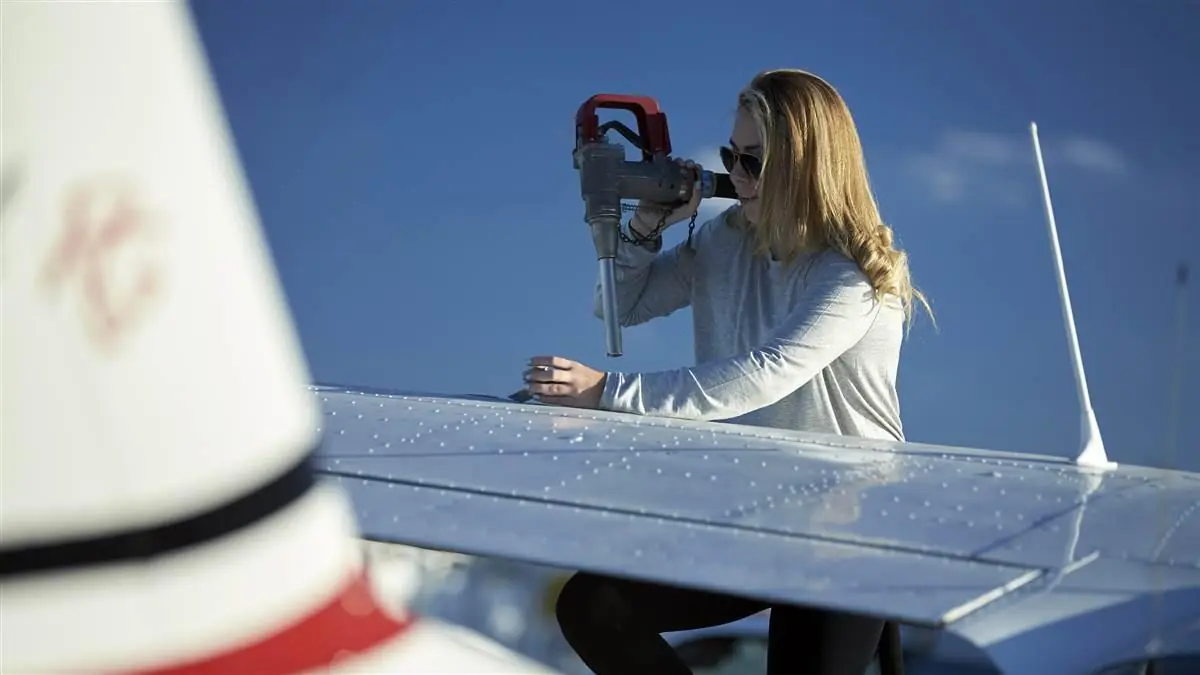
During a forum on July 23, FAA Deputy Administrator Chris Rocheleau spoke about general aviation topics and indicated that the current 2030 goal for the unleaded fuel shift might slip. Rocheleau stated that the agency will not set an arbitrary date without confirming that the replacement fuel is safe for aircraft. These remarks followed a July 20 session hosted by the Eliminate Aviation Gasoline Lead Emissions initiative.
Paul Wrzesinski, FAA senior technical specialist for aviation fuels, outlined updates to the agency's transition plan based on public comments gathered in early 2026. The revised strategy aims to improve communication and distribute information during fuel evaluations and authorizations. The plan will be released in phases, alongside an upcoming FAQ document and a summary of public input.
The official transition roadmap involves four phases starting with fuel authorizations and comparison testing. The second phase centers on market experience for producers, owners, and retailers, while the third and fourth phases involve wide-scale deployment across the Lower 48 by 2030, followed by Alaska two years later. AOPA acting Co-President Katie Pribyl noted that market forces alone might not drive the transition as currently assumed, calling for a stronger FAA role and pointing out that critical testing for materials compatibility and commingling remains ahead.
Fuel developers also presented updates regarding their respective pathways through the FAA and ASTM International. Swift Fuels CEO Chris D’Acosta announced on July 14 that the FAA issued an amended approved model list for a supplemental type certificate allowing 100R use in over 1,600 aircraft models and 1,200 engine models, representing about 55 percent of current 100LL consumption. Swift subsequently joined the Piston Aviation Fuels Initiative.
D’Acosta explained that 100R contains ethyl tert-butyl ether for clean combustion and octane enhancement, alongside a proprietary additive called AV-ADD to prevent valve-seat recession and intake coking. Swift highlighted a 407-hour endurance run on a Lycoming engine at Purdue University that showed parts within normal limits upon teardown. With 100R distribution starting, Swift plans to phase out UL94 while offering a free forever STC upgrade to existing UL94 STC holders.
Meanwhile, VP Racing representatives stated at a July 22 seminar that over 80 percent of the existing general aviation fleet will require no engine modifications to use its UL100E fuel, which is being developed alongside LyondellBasell.
Sources: AOPA