Aircraft
Pratt & Whitney Canada Unveils Certified PT9 Turboprop Engine at NBAA-BACE
Pratt & Whitney Canada introduced its new certified PT9 turboprop at the NBAA-BACE convention in Las Vegas.
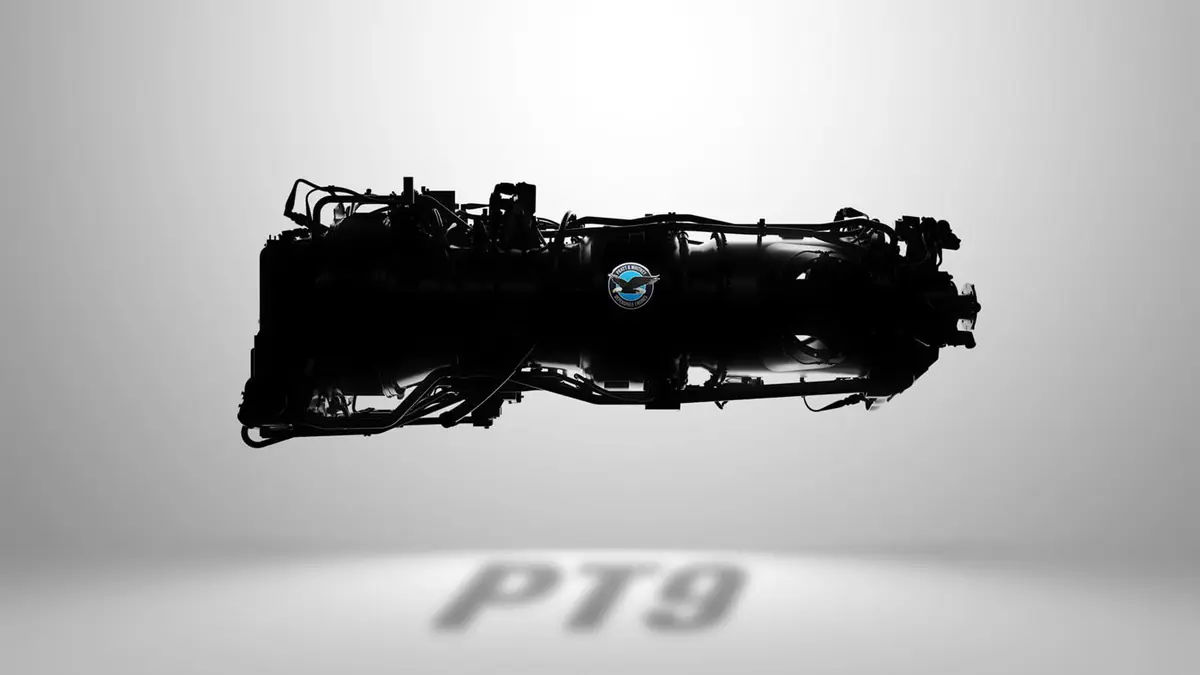
Pratt & Whitney Canada debuted its certified PT9 turboprop engine on Wednesday in Las Vegas at the NBAA-BACE convention. According to AVweb, parent company RTX reported that the development of the power plant involved more than 14,000 hours of work. Transport Canada has already certified the engine, and the manufacturer is now seeking further certification from the Federal Aviation Administration and the European Union Aviation Safety Agency.
The new turboprop is built to supply an output range of roughly 1,700 to 2,300 shaft horsepower. This positions the PT9 between the existing PT6 and PW100 engine families. The maker states that the PT9 delivers 33% more power at high altitude while cutting fuel consumption by 20% relative to older generation power plants.
Company representatives stated that the PT9 is intended to complement rather than replace the widely utilized PT6 family. Pratt & Whitney Canada plans to maintain investments in the PT6 line while advancing the PT9 for upcoming aircraft requirements. No specific launch customer or aircraft application has been named yet.
Dialogues with aircraft makers are underway, and company officials anticipate the architecture will support various platforms rather than a sole airframe type. Manufacturing is slated to take place at the company site in Lethbridge, Alberta, which currently functions as the center of excellence for the PT6 engine family, with additional certification efforts currently underway.
In a separate engine development, the Federal Aviation Administration has published an airworthiness directive affecting specific Pratt & Whitney Division power plants. The directive applies to Model PW4052, PW4056, PW4060, PW4060A, PW4060C, PW4062, PW4062A, PW4152, PW4156, PW4156A, PW4158, PW4460, and PW4462 engines.
The Federal Aviation Administration issued this directive following multiple reports involving tailpipe fires, loss of thrust control, and in-flight engine shutdowns. These incidents stemmed from undetected deterioration of pressure burner sensors. To correct this unsafe condition, the new directive mandates the replacement of pressure burner sensors across all listed engine models.
Sources: AVweb, FAA (Federal Register)