Pipistrel
Florida And Texas Flight Schools Praise Pipistrel Alpha Trainer For Cost Savings
Two separate flight schools have reported significant operational improvements and financial savings after integrating the Pipistrel Alpha Trainer into their training fleets.
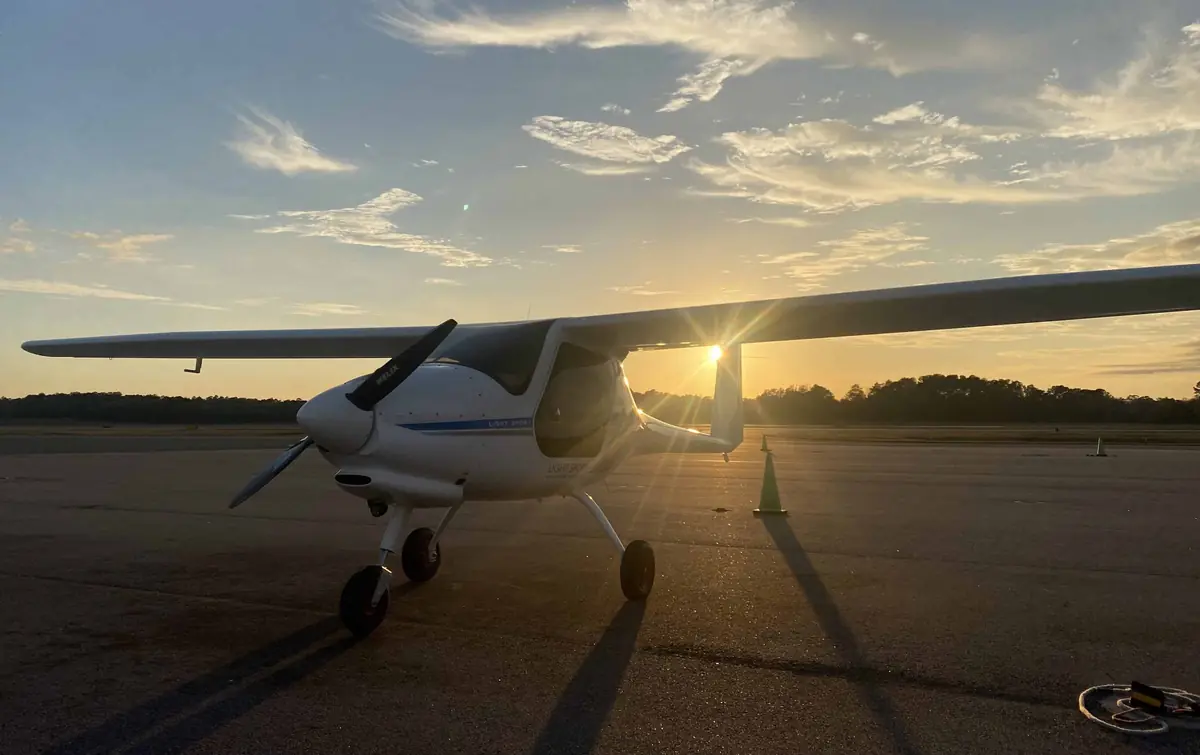
In Sarasota, Florida, Cirrus Aviation has embraced the aircraft for its technology and precision. Founded by David Cattin, the school has operated for more than three decades, growing to support nearly 70 professionals, two simulators, 13 airplanes, and between 170 and 200 full-time students. Cattin noted that the Alpha Trainer helps bypass the rising maintenance and fuel expenses associated with older aircraft models, pointing out that maintenance alone on older equipment can escalate significantly over time. According to Cattin, the aircraft operates at a fraction of the hourly cost of traditional trainers while performing the same missions.
Meanwhile, Pegasus Flight School in McGregor, Texas, serving the greater Waco area, has experienced similar success. Established in 2015, the Part 61 flight facility expanded from initial roots of three airplanes and three instructors to a matching total of 12 airplanes and 12 instructors. Operations Manager Michael Ruiz initially suspected the aircraft's affordability and capability were too good to be true before consulting other operators and making the purchase. Ruiz highlighted the aircraft's fuel efficiency as a primary driver, noting that the type consumes about 30 percent of the fuel used by other planes in their fleet.
Instructors and students at both locations have responded enthusiastically to the addition. At Cirrus Aviation, staff members praised the precision flight controls that eliminate residual forces during landings, alongside the modern avionics. Similarly, Pegasus Flight School students and instructors welcomed the full glass cockpit and intuitive technology, which enhanced the overall learning environment.
Both school leaders emphasized the broader financial impact of the transition. Cattin estimated that students can save between $15,000 and $20,000 across their full training path due to the lower operational costs. In Texas, Ruiz stated that reduced fuel expenditures noticeably altered the school's cash flow, enabling them to expand their fleet further.
Cattin and Ruiz both characterized the acquisition as an easy decision for modern flight operations facing escalating traditional expenses. While acknowledging that individual results can vary based on operational context and aircraft configuration, both schools view the model as a sustainable path forward for flight education.