General aviation
Avidyne Explores the Evolution and Design Philosophy of Pilot-Centric Avionics
AOPA reports that Avidyne has established a history of introducing industry-first flight deck technologies that are now standard across new general aviation aircraft.
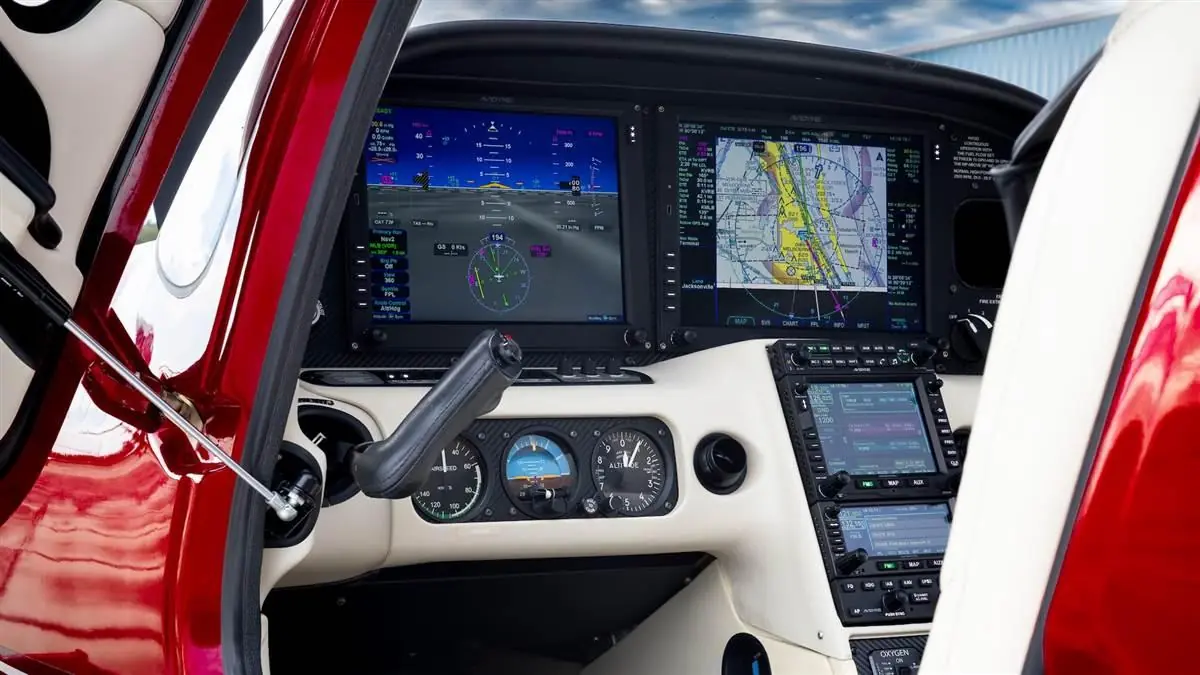
According to AOPA, Avidyne pioneered several major cockpit innovations. These include large format glass displays, live aircraft depiction on approach plates, satellite and ground-based datalink weather, and the certification of the straight-and-level button. The company developed these advancements across flight displays, navigators, autopilots, and traffic surveillance by focusing on simplifying pilot actions during high workload phases of flight.
As AOPA notes, the company designs its equipment around pilot-centric principles rather than prioritizing feature-first capabilities. The primary design goal centers on minimizing the tasks demanded of the pilot during difficult instrument meteorological conditions, late-night flights, or diversion scenarios, treating these demanding situations as the standard design case rather than edge cases.
Another core conviction highlighted by AOPA involves minimizing the physical complexity and cost of installations. Extensive aircraft modifications, often required during rip-and-replace installations, increase shop time, expenses, and the probability of latent wiring or configuration faults. To counter this, Avidyne systems are engineered to utilize existing wiring harnesses, sensors, and legacy equipment whenever possible.
Shops and customers have reported that installing Vantage 12 displays can be completed in as little as two days, compared to two weeks or more for standard overhauls. Furthermore, interoperability allows owners to retain functional equipment. For instance, the Vantage 12 system works alongside existing first-generation navigators, while the DFC90 autopilot reuses existing servos and rigging to reduce upgrade expenses by two-thirds relative to a full replacement.
AOPA points out that avoiding complete aircraft rewiring protects owners from facing massive six-figure cockpit upgrade expenses when individual hardware components fail. This strategy allows for incremental upgrades, ensuring that a failing navigator or display does not force a complete replacement of a functioning panel.
Sources: AOPA