STINSONSingle-engine piston · Derby, KS
1943 Stinson V77
- Price
- $141,500
- Year
- 1943
- Total time
- 1,540 hours
- Location
- United States
Specifications
General
- Sale Status
- For Sale
- Make/Model
- STINSON V77
- Registration #
- 4608N
- Serial #
- 77-197
- Total time
- 1540
- Engine 1 Time
- 260 SMOH
- Useful Load
- 1375 lb
- Condition
- Used
- Year Painted
- 2008
- Interior Year
- 1966
- Flight Rules
- VFR
Airframe
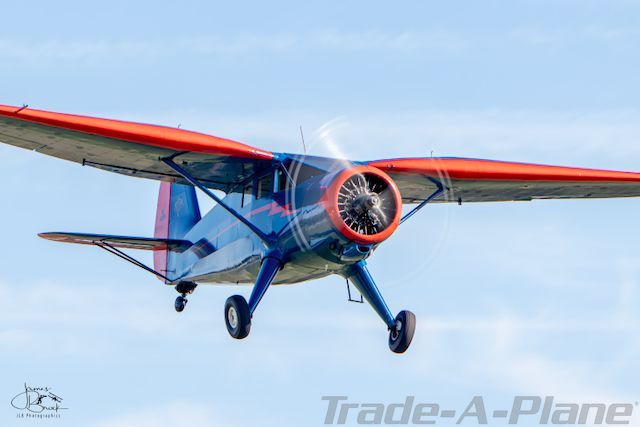
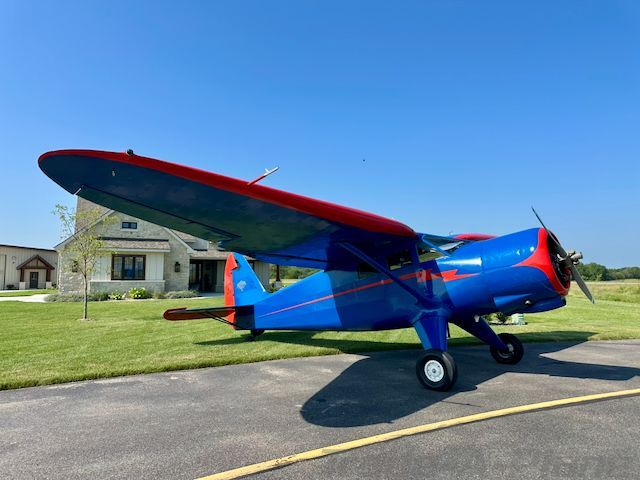
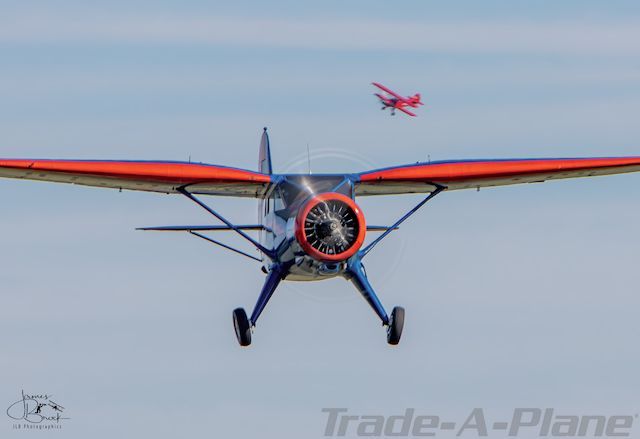
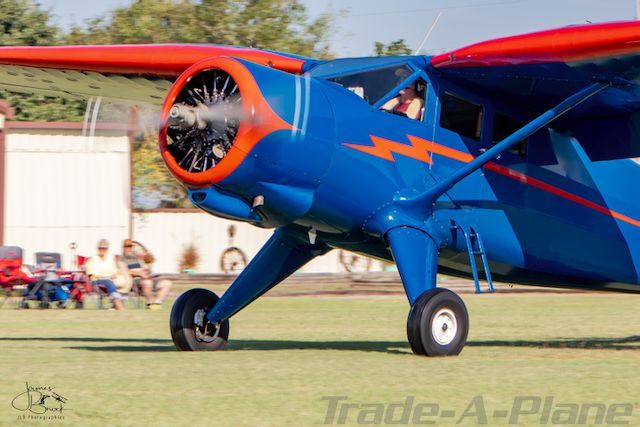
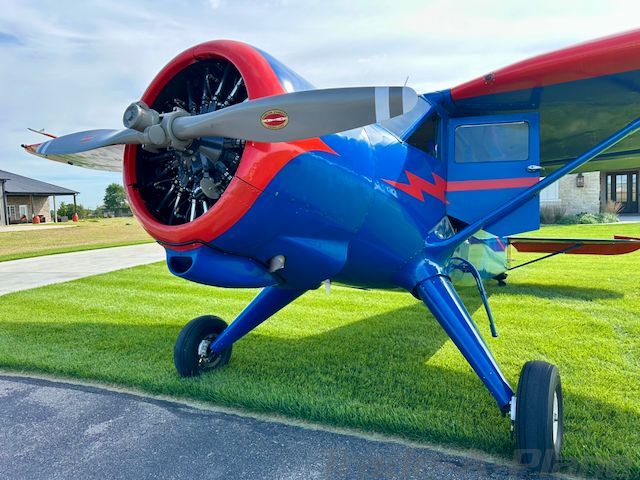
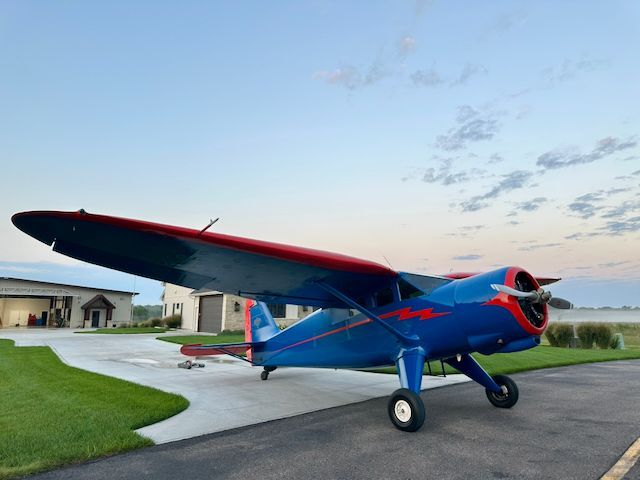
N4608N turns heads with its gloss blue and red finish and distinctive sculpted gull wings. It draws crowds at fly-ins, small airports, and Oshkosh.
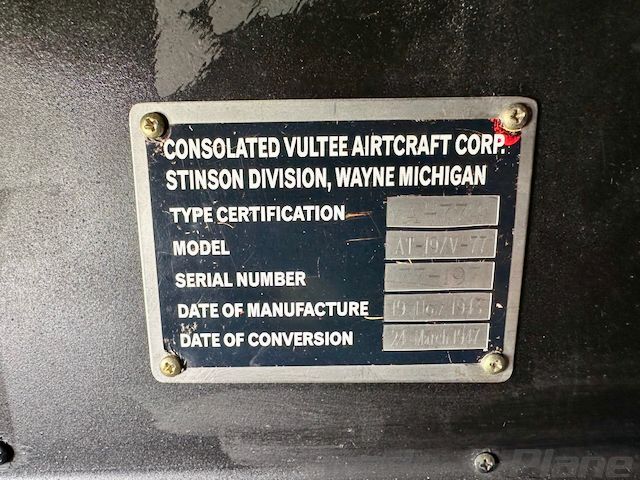
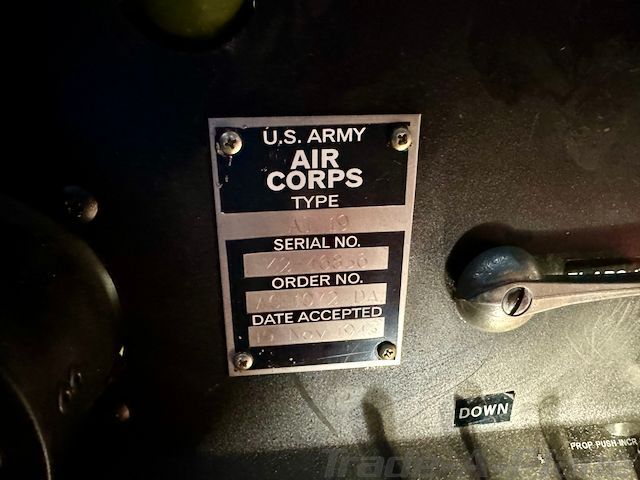
A flying piece of WWII history, it began life in 1943 as an AT-19 supplied to the Royal Navy under Lend-Lease. It served as a submarine patrol airplane over the English Channel, reporting sightings by radio and dropping dye-marker bombs. Exact records were later lost in a government fire. After the war it was crated, returned, civilianized by Stinson/Vultee, and sold as a V-77.
The airframe has been carefully maintained and mostly hangared, with only short trips to Oshkosh. The gull wings give a smoother ride than straight-wing Reliants. Nearly 1,400 lb of payload makes it practical for passengers or cargo; vacuum-system removal returned about 70 lb to useful load.
A well-preserved, distinctive airframe ready for its next owner.
Engine
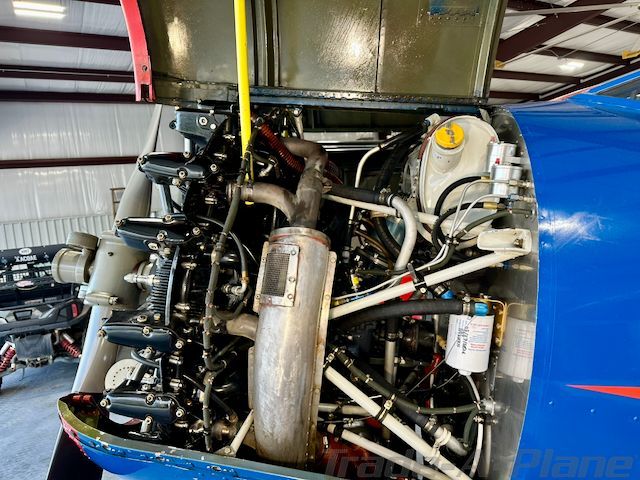
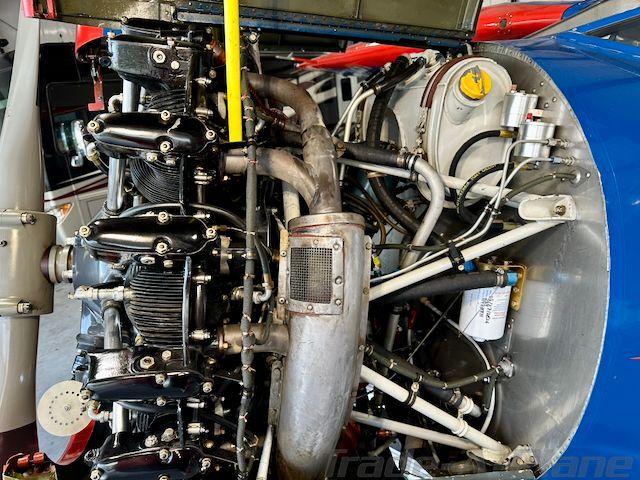
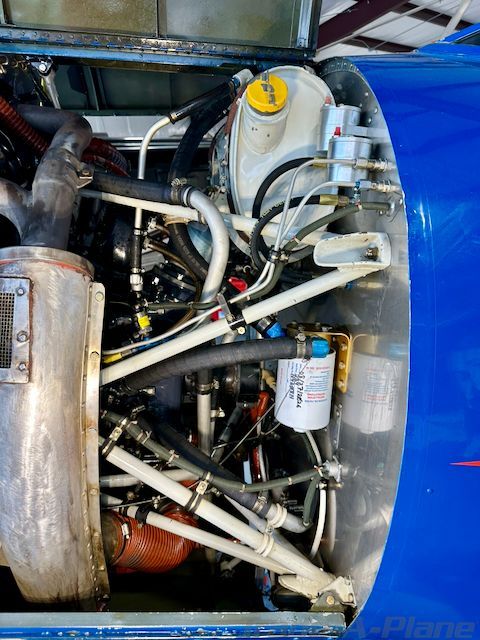
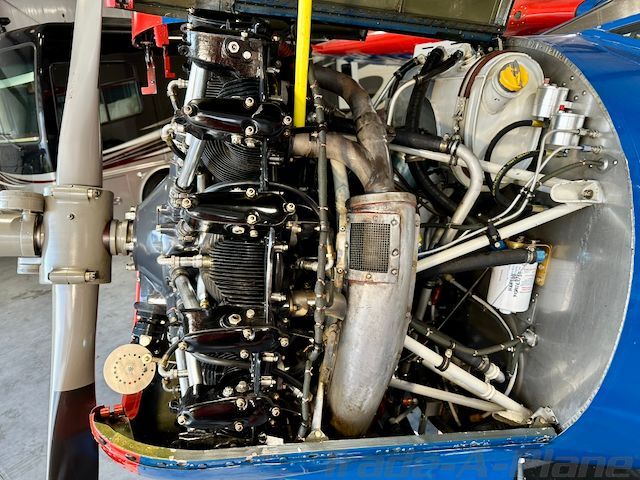
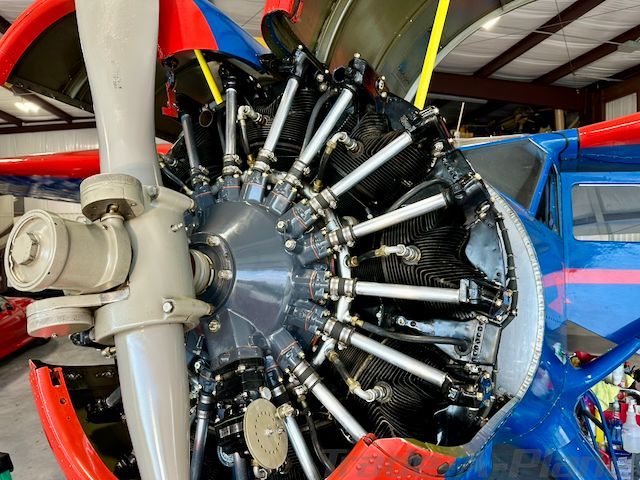
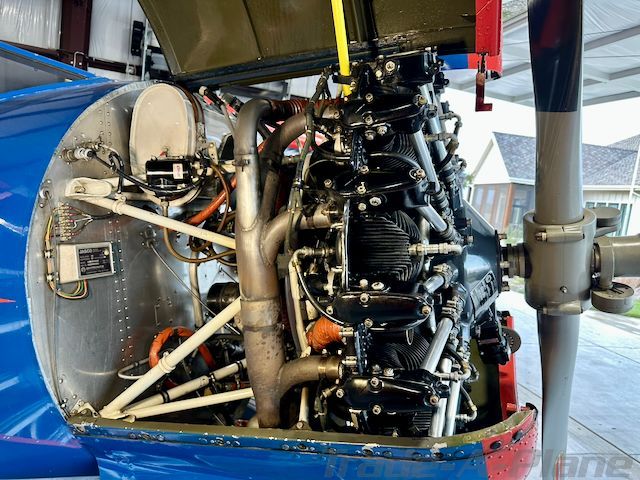
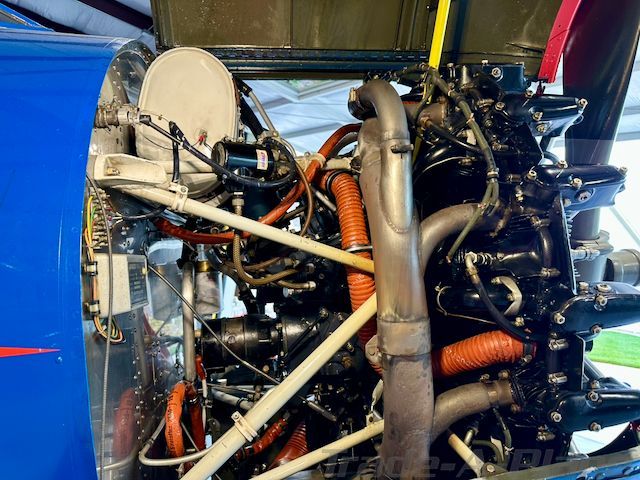
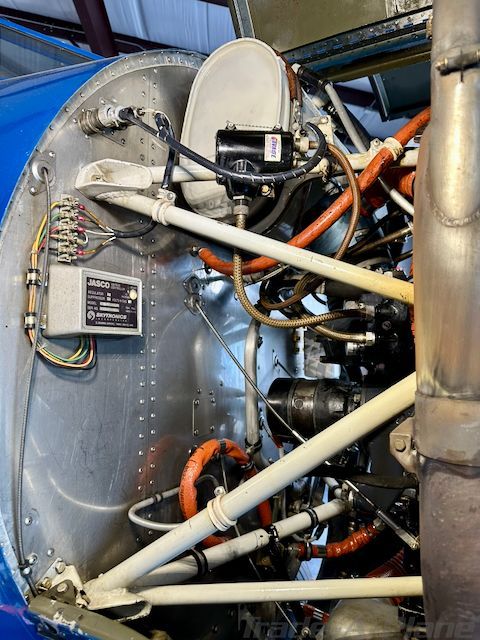
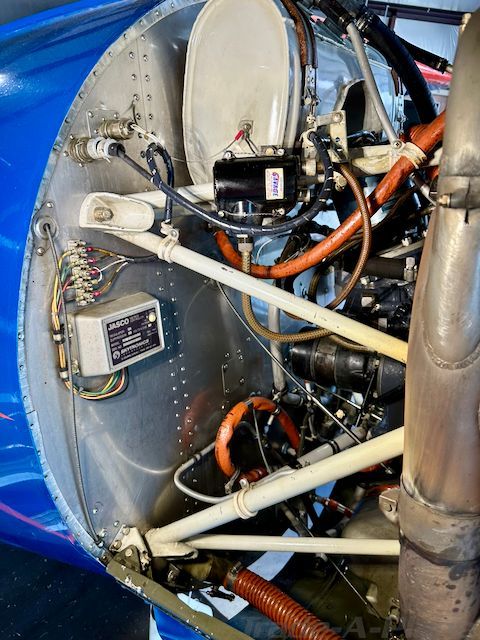
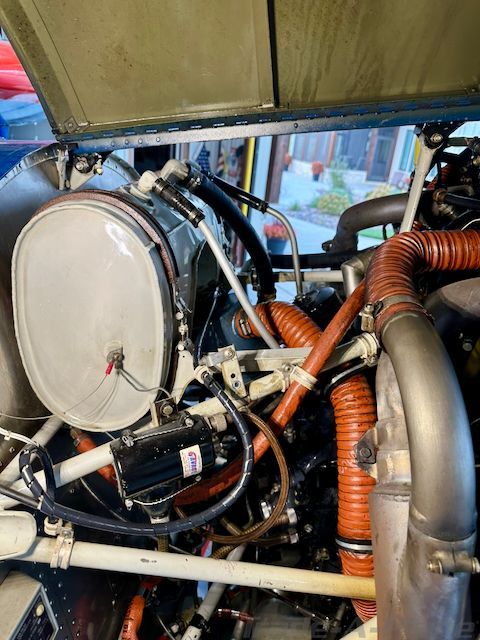
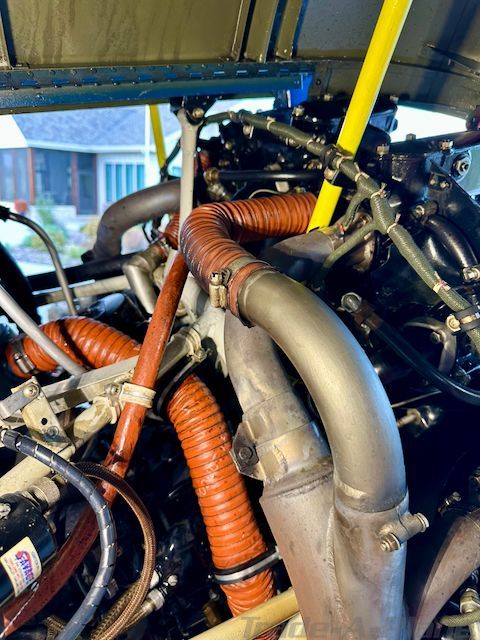
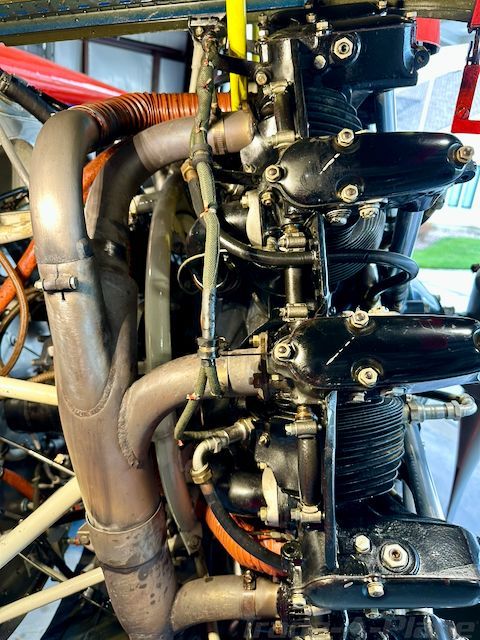
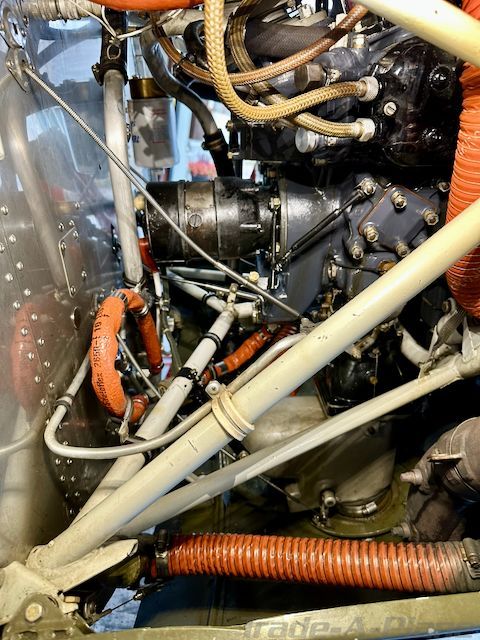
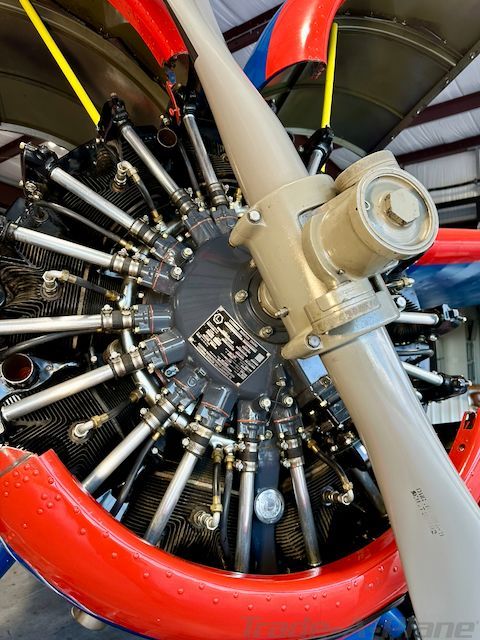
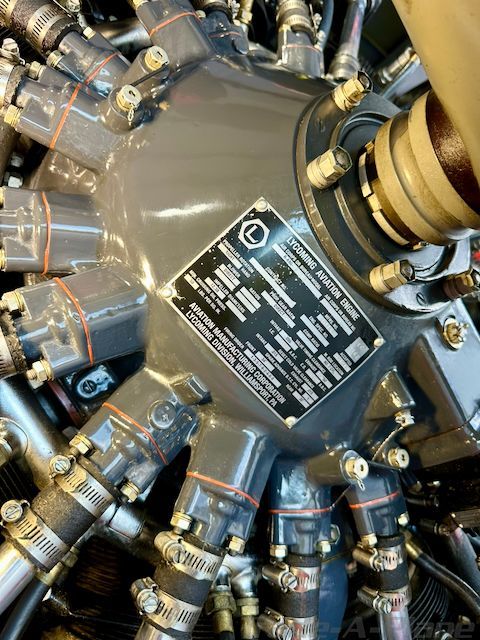
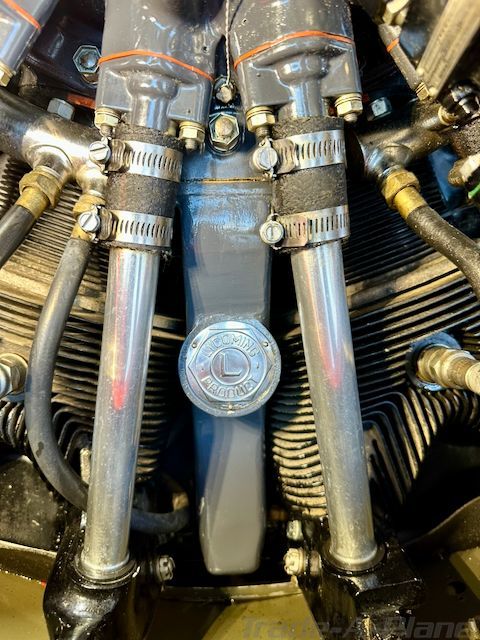
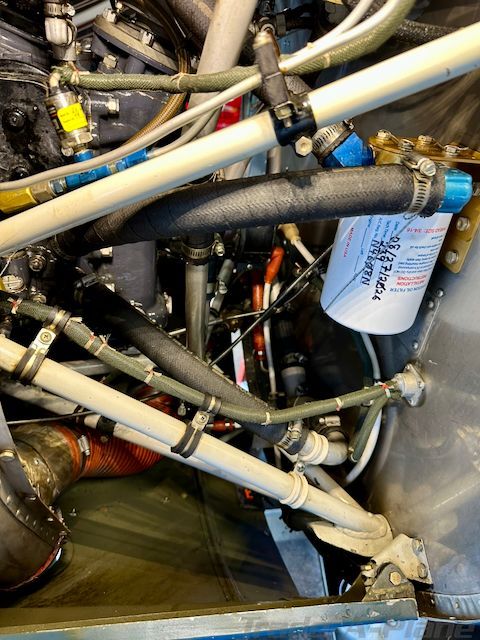
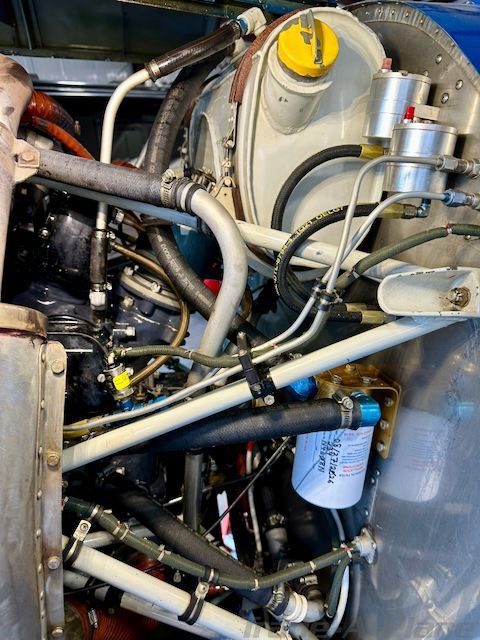
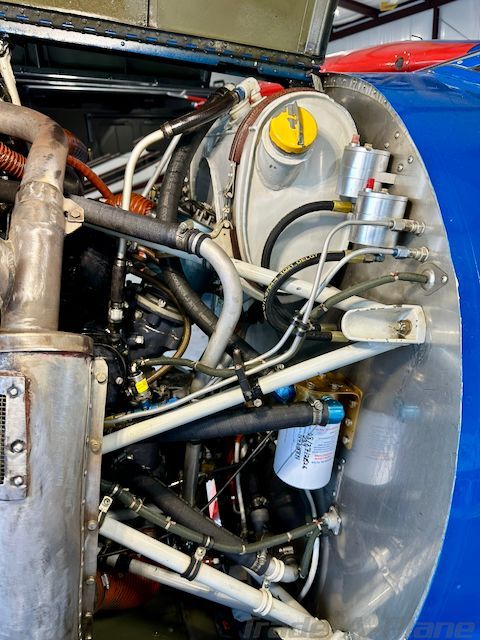
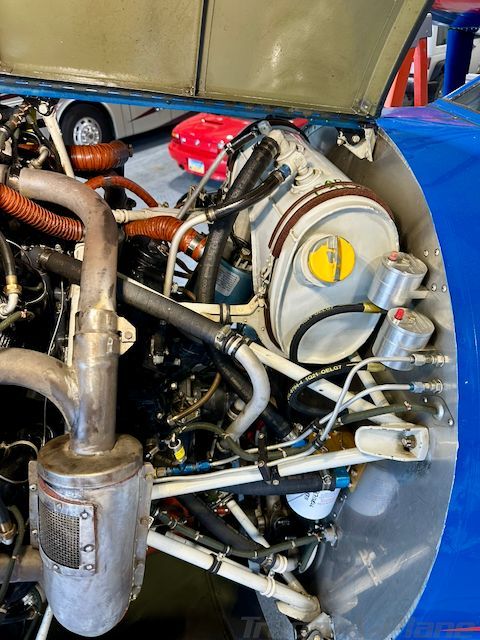
The Lycoming R-680 nine-cylinder radial is smooth and well documented. It has fewer than 260 hours since major overhaul by Radial Engine Company of Guthrie, Oklahoma. Compressions on all nine cylinders were healthy at the most recent annual. A Jasco alternator supplies electrical power. The vacuum pump has been removed, returning about 70 pounds to useful load.
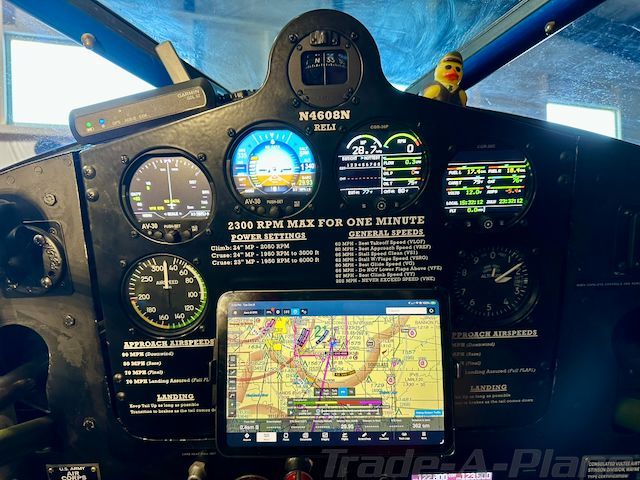
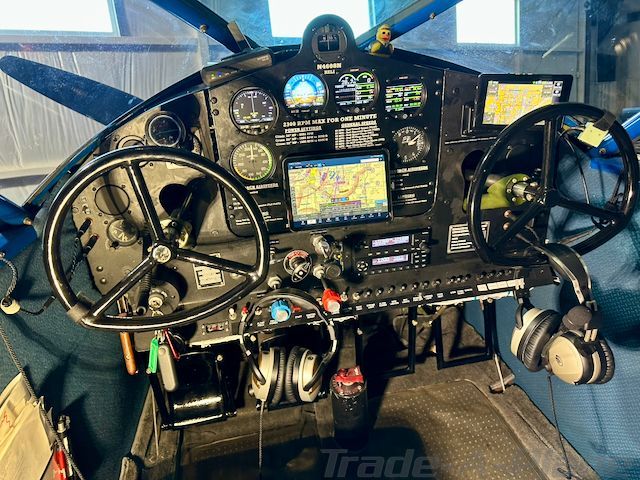
Modern instrumentation includes an Electronics International engine monitor that displays EGT and CHT on all nine cylinders, oil pressure, carburetor temperature, fuel flow (accurate to 0.1 gallon), and more.
Avionics
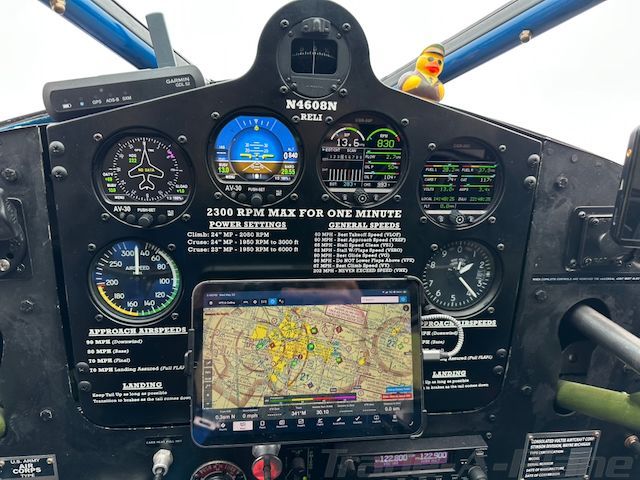
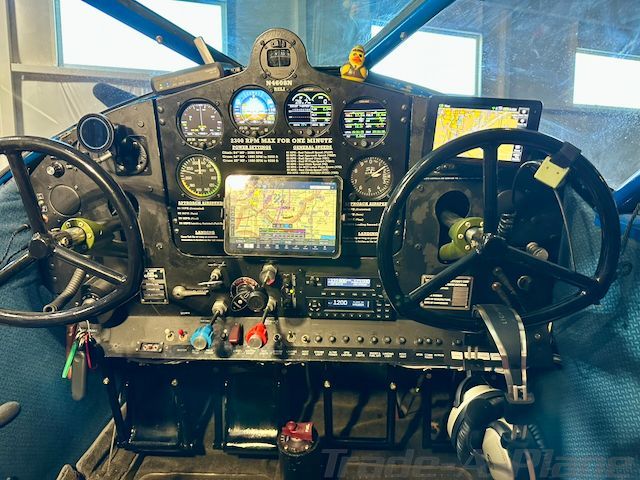
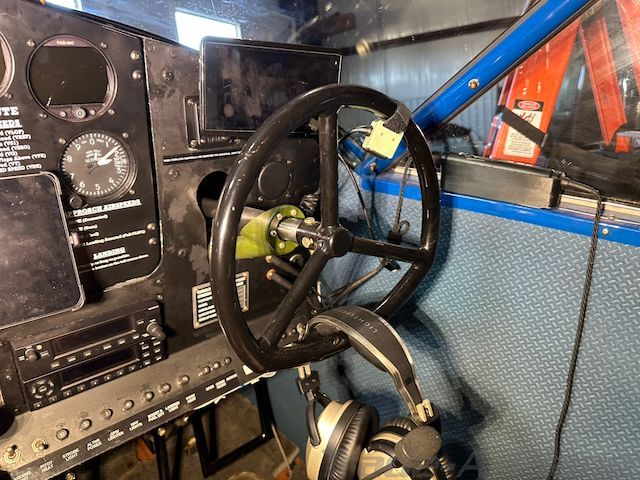
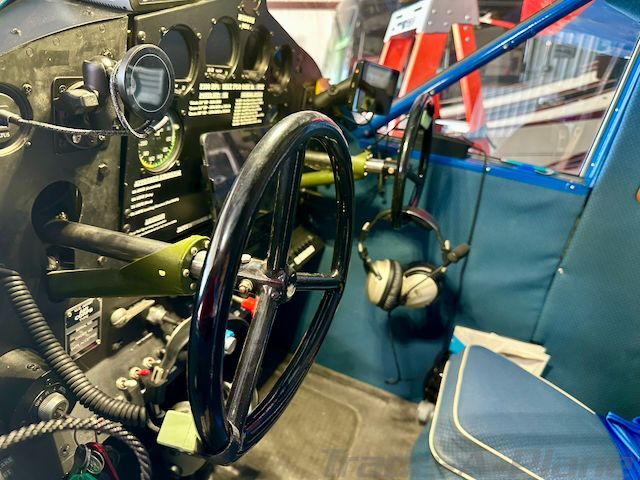
Modern systems make this vintage radial safer and easier to manage. An Electronics International engine monitor displays EGT and CHT on all nine cylinders, oil pressure, carburetor temperature, and fuel flow accurate to 0.1 gallon, removing the guesswork common in older aircraft. Dual uAvionix AV-30s provide attitude and directional gyro redundancy; one includes an AV-Link for ForeFlight. Original mechanical airspeed and altimeter remain as further backups. A new powder-coated center panel has V-speeds laser-engraved for quick reference. The Garmin GTR 225 monitors a second frequency and shows the airport identifier. A Garmin GTX 335 supplies ADS-B Out. A PS Engineering intercom allows the pilot to isolate passengers.
Interior
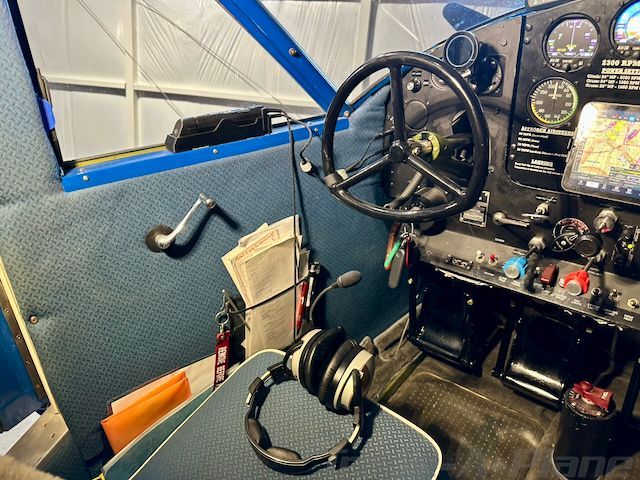
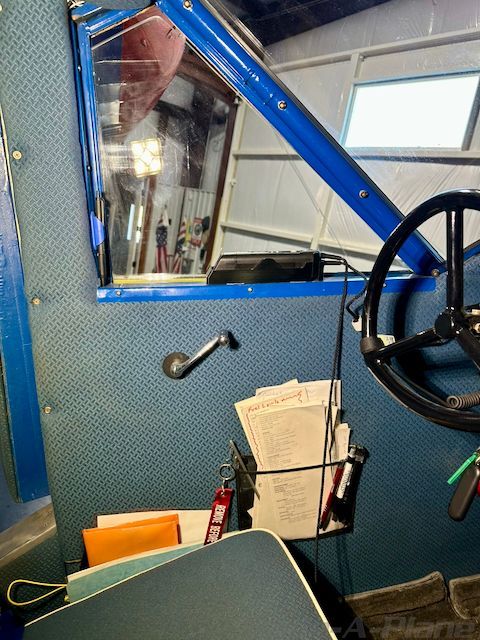
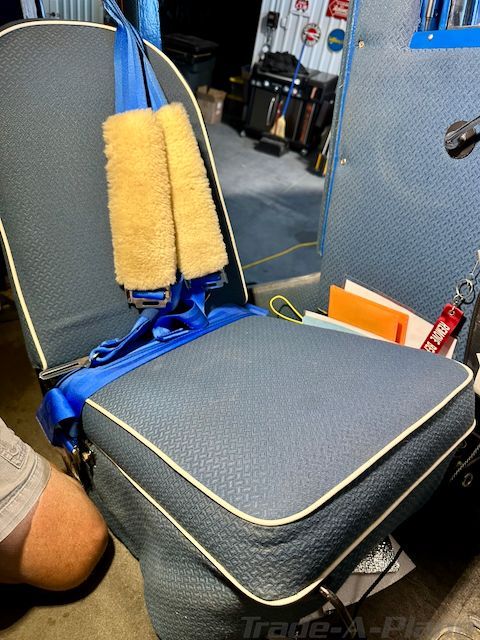
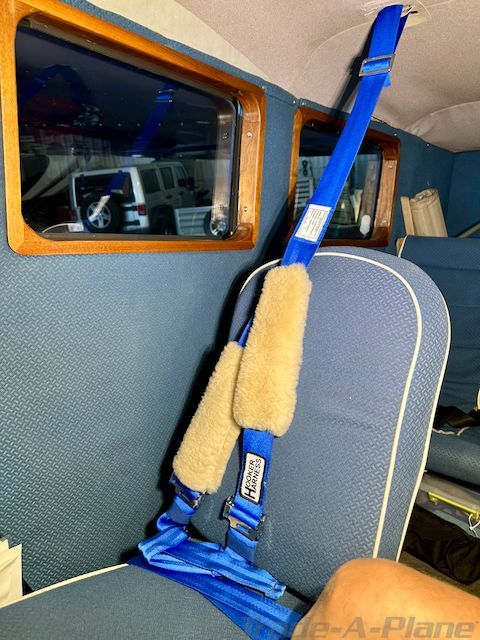
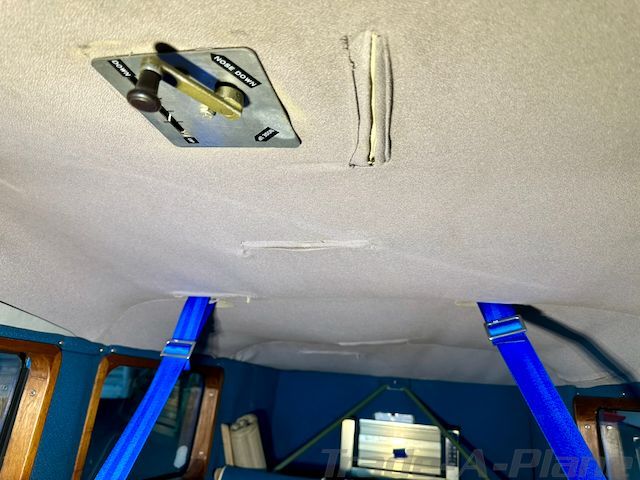
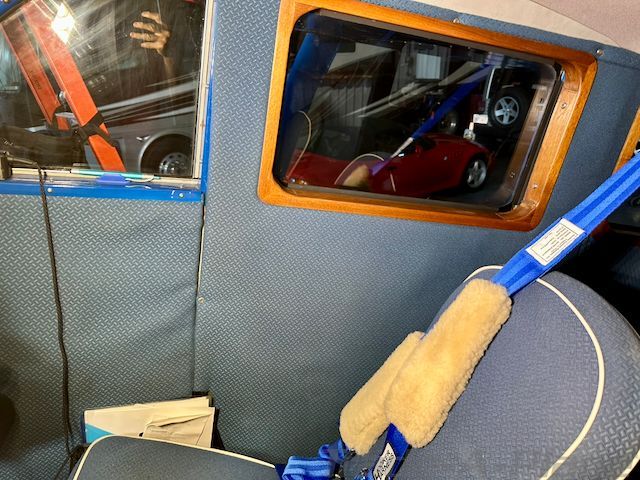
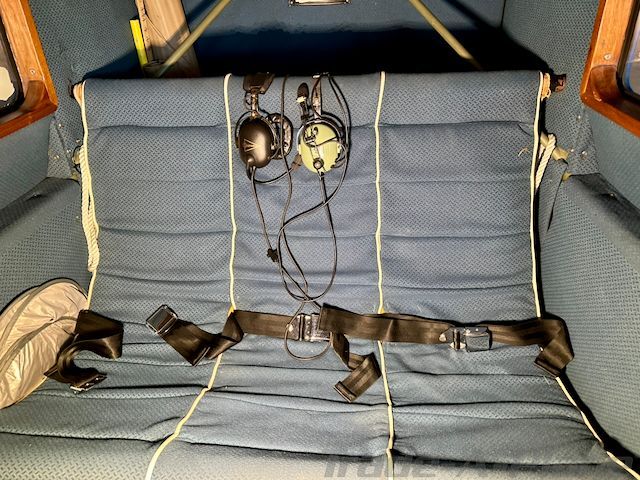
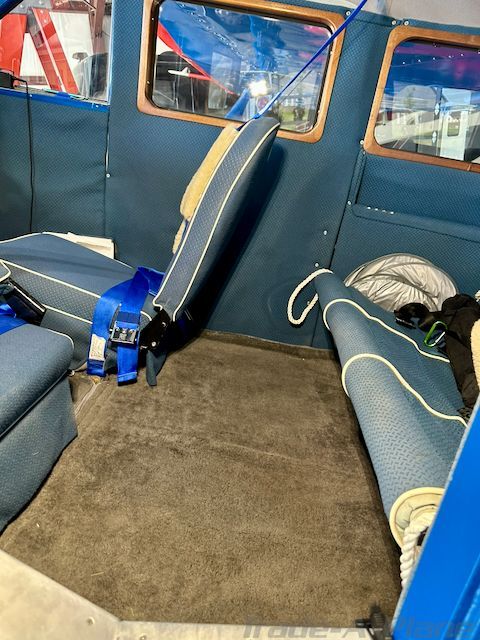
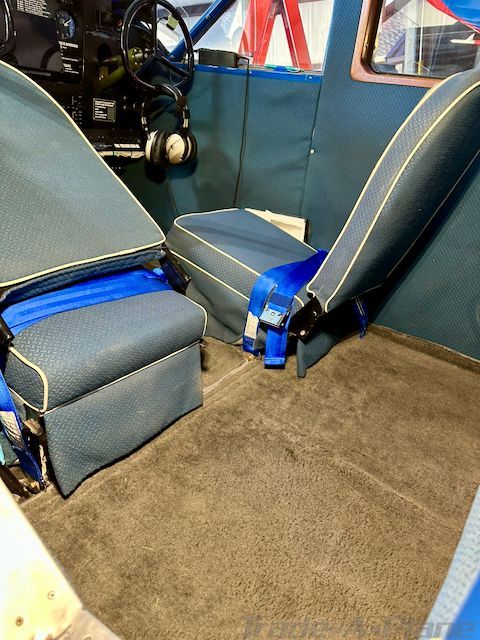
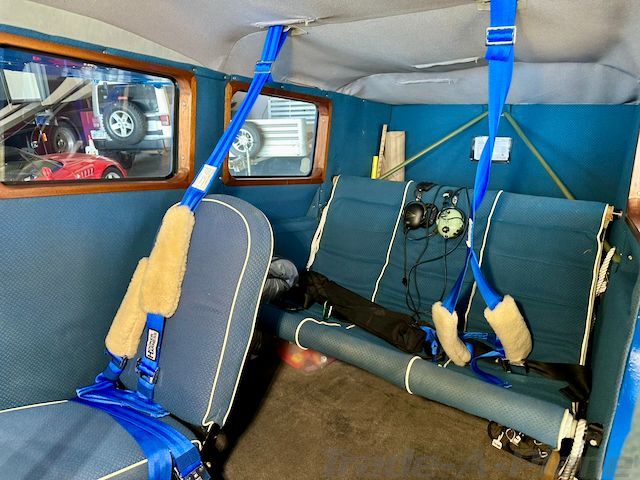
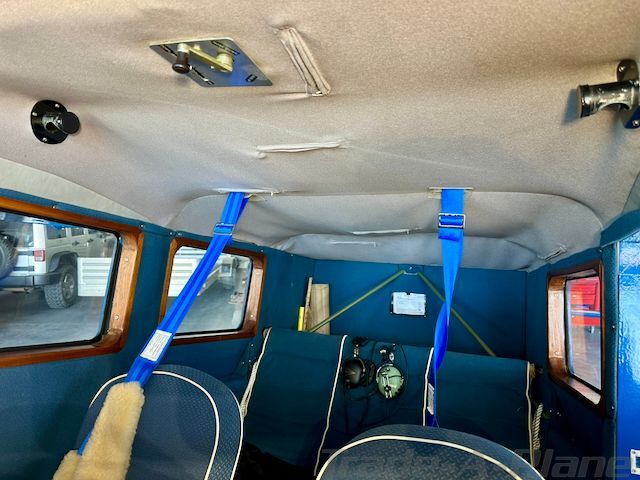
The cabin remains near original, retaining the seat frames once used by Army Air Corps troops, with careful updates over the years. The three-place rear seat and forward seats accommodate friends or family. An iPad Mini mount with power sits front and center, backed up by a Garmin 660 on the copilot side so a passenger can follow the flight. A PS Engineering intercom supports four headsets plus a fifth jack for the middle rear passenger, and the pilot can isolate the cabin. Recent Hooker Harnesses Y-type shoulder harnesses and lap belts secure the pilot and copilot. The interior balances wartime character with practical modern comfort.
Detailed Description
N4608N is the airplane people walk toward. Land it at a fly-in, a small-town airport, or Oshkosh, and the ramp fills up. The gloss blue and red finish turns heads. The sculpted gull wings set it apart from every straight-wing airplane on the line. And when the Lycoming R-680 fires, the crowd already knows which airplane just arrived. The new owner will not have to explain why this one is special. The airplane does that by itself.
It is a flying piece of World War II history, and it has been treated that way. Except for short trips to be displayed at EAA AirVenture in Oshkosh, it has lived in a hangar, looked after by a line of careful owners.
N4608N began life in 1943 as an AT-19. It was supplied to the Royal Navy under the Lend-Lease program. Records of its exact time in England were lost in a government fire years ago, but we are assured that it served well as a submarine patrol airplane in England. On those patrols over the English Channel, a spotted submarine was reported by radio, and dye-marker bombs were dropped so the colored water would mark the position for the attack airplanes that followed. After the war it was crated, shipped home, civilianized by Stinson/Vultee, and sold to the public as a V-77. Few of them carry a story like this one.
It is also an airplane you can actually use. With nearly 1,400 pounds of payload, it will take friends and family, or just about anything you can fit in the cabin. The gull wings are not only beautiful. They give a smoother ride than the old straight-wing Reliants. Front and center is a mount and power plug for an iPad Mini, so it stays charged in flight. A Garmin 660 moving map on the copilot side backs up the iPad and lets a passenger - a grandchild, for instance - follow the flight and join in the navigating without touching the pilot's screen.
The Lycoming R-680 nine-cylinder radial is smooth, and it is well documented. It has fewer than 260 hours since major overhaul by Radial Engine Company of Guthrie, Oklahoma, a premier radial shop. At the most recent annual, compression on all nine cylinders was healthy. A Jasco alternator supplies reliable electrical power. The vacuum pump has been removed, because the modern instruments do not need it. That change alone took about 70 pounds of unused equipment out of the airplane and put it back into payload.
What makes this an unusual V-77 is that the history is backed by modern systems. Many of these airplanes never even had a cylinder-head temperature gauge. This one has an Electronics International engine monitor that takes the guesswork out of a vintage radial: EGT and CHT on all nine cylinders, oil pressure, carburetor temperature, fuel flow, and more. Fuel flow is accurate to a tenth of a gallon, which is far more useful than the tank gauges alone. Two uAvionix AV-30s provide attitude and directional gyro displays. One has an AV-Link wireless module, so ForeFlight can connect to it and the unit can be updated without pulling it out of the panel. The AV-30s add real redundancy. The original mechanical airspeed indicator and altimeter remain as a further backup.
A new aluminum center panel, powder-coated, has V-speeds and other critical numbers laser-engraved for quick reference. The Garmin GTR 225 communication radio monitors a second frequency while you are using the primary one - two radios in one box - and, with GPS data, displays the airport identifier for the frequency in use. Its database is updatable. A Garmin GTX 335 transponder with ADS-B Out is simple to operate. A PS Engineering intercom with expansion supports four people on headsets, with a fifth jack so the middle passenger in the three-place rear seat can listen. The pilot can isolate the passengers so conversation in back does not interrupt the cockpit. Shoulder harnesses and lap belts for the pilot and copilot are recent Hoo
Remarks
We are selling our beloved 1943 Stinson V-77 Gullwing Reliant, and we are looking for the next caretaker who will enjoy it as much as we have.
N4608N is the airplane people walk toward. Land it at a fly-in, a small-town airport, or Oshkosh, and the ramp fills up. The gloss blue and red finish turns heads first. Then the sculpted gull wings come into view, setting it apart from every straight-wing airplane on the line. People change direction without being asked and head straight for it. When the Lycoming R-680 nine-cylinder radial fires, the deep, rhythmic roar carries across the ramp and brings the crowd to their feet. Conversations stop. Heads turn. By the time the engine settles into a smooth idle, a small gathering has already formed. The new owner will not have to explain why this one is special. The airplane does that by itself. Taxiing in becomes a quiet performance, and the owner sits a little taller knowing this is the airplane everyone came to see.
It is a flying piece of World War II history, and it has been treated that way. Except for short trips to be displayed at EAA AirVenture in Oshkosh, it has lived in a hangar, looked after by a line of careful owners. N4608N began life in 1943 as an AT-19. It was supplied to the Royal Navy under the Lend-Lease program and served as a submarine patrol airplane over the English Channel. Spotters reported contacts by radio, and dye-marker bombs were dropped so the colored water would mark the position for the attack airplanes that followed. Records of its exact time in England were lost in a government fire years ago, but the airplane is understood to have served well. After the war it was crated, shipped home, civilianized by Stinson/Vultee, and sold to the public as a V-77. Few of them carry a story like this one. The new owner will taxi past the crowds knowing the airplane once served, then returned to civilian life, and has been carefully preserved.
It is also an airplane you can actually use. With nearly 1,400 pounds of payload, it will take friends and family, or just about anything you can fit in the cabin. The gull wings are not only beautiful. They give a smoother ride than the old straight-wing Reliants. Front and center is a mount and power plug for an iPad Mini, so it stays charged in flight. A Garmin 660 moving map on the copilot side backs up the iPad and lets a passenger - a grandchild, for instance - follow the flight and join in the navigating without touching the pilot's screen.
The Lycoming R-680 is smooth, powerful, and well documented. It has fewer than 260 hours since major overhaul by Radial Engine Company of Guthrie, Oklahoma, a premier radial shop. At the most recent annual, compression on all nine cylinders was healthy. A Jasco alternator supplies reliable electrical power. The vacuum pump has been removed because the modern instruments do not need it. That change alone took about 70 pounds of unused equipment out of the airplane and put it back into payload. When that radial lights off at the next fly-in, the sound still draws people to their feet the way it always has.
What makes this an unusual V-77 is that the history is backed by modern systems that make the airplane safer and easier to manage. Many of these airplanes never even had a cylinder-head temperature gauge. This one has an Electronics International engine monitor that takes the guesswork out of a vintage radial: EGT and CHT on all nine cylinders, oil pressure, carburetor temperature, fuel flow accurate to a tenth of a gallon, and more. Two uAvionix AV-30s provide attitude and directional gyro displays. One has an AV-Link wireless module, so ForeFlight can connect to it and the unit can be updated without pulling it out of the panel. The AV-30s add real redundancy. The original mechanical airspeed indicator and altimeter remain as a further backup.
A new aluminum center panel, powder-coated, has V-speeds and other critical numbers laser-engraved for quick reference. The Garmin GTR 225 communication radio monitors a second frequency while you are using the primary one and, with GPS data, displays the airport identifier for the frequency in use. Its database is updatable. A Garmin GTX 335 transponder with ADS-B Out is simple to operate. A PS Engineering intercom supports four people on headsets, with a fifth jack so the middle passenger in the three-place rear seat can listen. The pilot can isolate the passengers so conversation in back does not interrupt the cockpit. Shoulder harnesses and lap belts for the pilot and copilot are recent Hooker Harnesses Y-type installations.
If you want to own a piece of World War II aviation that people gather around, and fly it with modern engine monitoring and a panel that makes a vintage radial safer and easier to manage, this is that airplane. At the next fly-in the sequence will repeat. The airplane rolls onto the ramp, the radial fires, and people stand up. Someone will ask about the gull wings. Someone else will want to know about the wartime service. Children will point at the nine cylinders. The new owner will answer a few questions, then close the door and taxi for departure while the crowd watches. N4608N has been cared for. It is ready for an owner who will be proud to taxi it in and proud to fly it.